Research Associate (m/f/d): Models, Interventions, and Cognition
Research Associate (PhD) · Open for applications
Hosted by Cognitive Modelling Group (Prof. Dr. Lilian Weber)
- Location
- Osnabrück, Germany
- Remuneration
- E 13 TV-L, 65 %
- Earliest start
- At the earliest possible date
- Application deadline
- 14.10.2026
- Host lab
- Cognitive Modelling Group (Prof. Dr. Lilian Weber)
- Working language
- English
Who we are
The position will be part of our young and growing group working in cognitive computational neuroscience. Our main goal is to understand the neurocognitive mechanisms that support flexible behaviour. For this, we use a combination of behavioural and neuroscience experiments, cognitive and biophysical modelling, and targeted interventions such as with transcranial focussed ultrasound. For more information on our past and ongoing work, see our research page.
For many of our research topics we collaborate both locally (with other groups within the institute), as well as internationally. At the IKW, we currently work with Neurobiopsychology (tFUS, EEG), Psycho/Neurolinguistics (belief change), Computational Neuroscience (model discovery), Neuroinformatics (time scales) and Machine Learning groups (timescales in ANNs). International collaborations include Zurich/Oxford (belief updating in psychosis), Oxford (rumination, tFUS), Aarhus (gHGF), Lübeck (self-belief formation), and Brown University (interoception/RL).
What you would work on
The specific direction of your project is flexible and will be shaped together with Lilian during your first months in the lab. Some of the research questions you could be contributing to are the following:
- Which cognitive mechanisms and brain structures causally contribute to adaptive learning: the ability to adjust how strongly, and how far back, one integrates evidence when the world changes? (Bayesian modelling, EEG, tFUS)
- How do internal states of biological agents shape their reward function, and how do humans infer on these internal states given noisy observations? (Bayesian and RL modelling, EEG)
- Can we perturb interoception (inference on internal phsyiological states) separately from autonomic regulation by targeting different parts of the neural circuits involved? (tFUS, EEG, peripheral physiology, biophysical modelling)
Depending on your interests and background, the project can be weighted towards computational modelling (cognitive or biophysical), EEG, or intervention studies.
Alongside your own project, you will:
- contribute to the group’s academic life: presenting in lab meetings and journal clubs, acquiring third-party funding, and co-supervising and advising less experienced group members;
- teach Cognitive Science courses at B.Sc. and M.Sc. level (2.6 hours/week).
Methods and infrastructure
Transcranial focussed ultrasound stimulation (tFUS) is a central methodological pillar of the lab. It uses focused ultrasound waves to modulate, non-invasively and reversibly, brain regions that conventional electromagnetic methods such as TMS cannot reach: in particular, deep structures involved in affective cognition and autonomic control. We run a combined ultrasound–EEG laboratory in Osnabrück, including peripheral physiology, and the successful candidate will have the opportunity to help shape it from the very beginning. We also have access to eye-tracking as well as MR imaging.
Who we are looking for
- A strong academic background (Master’s degree or equivalent) in cognitive science, computational neuroscience, physics, mathematics, statistics, psychology or a related field.
- Strong quantitative and programming skills (e.g. Matlab or Python) to design experiments, analyse data and run computational simulations and/or advanced statistical analyses.
- Excellent communication skills in English.
- A collaborative mindset and the ability to work responsibly within a team.
- Prior experience in at least one of the following, with human participants:
- running neuromodulation studies, including TMS and TUS;
- collecting and analysing EEG data;
- developing and applying cognitive models (e.g. Bayesian learning, reinforcement learning, drift diffusion models);
- developing and applying biophysical models (e.g. dynamic causal models, dynamical systems theory).
A research project that connects to flexible cognition in changing environments, or to the interoceptive basis of reinforcement learning, is especially appreciated.
What we offer
- The opportunity to work towards a PhD or a Habilitation during working hours, with close mentorship and regular one-to-one meetings.
- The chance to help build a new lab – including a combined ultrasound–EEG laboratory – and to shape its scientific and working culture.
- Access to a rare methodological combination under one roof: cognitive modelling, EEG, pharmacology and transcranial ultrasound.
- An established international network of collaborators, including in Oxford, Zurich, Aarhus and at Brown and McGill Universities, as well as numerous collaborations with clinical researchers.
- Embedding in the MIND initiative (Machine Intelligence and Neuroscientific Discovery) at the Institute of Cognitive Science, which connects the Cognitive Modelling, Computational Neuroscience, Machine Learning, Natural Language Processing, Neurobiopsychology, Neurocomputation and Neuroinformatics groups.
- Opportunities to co-supervise B.Sc. and M.Sc. students, to teach cognitive science courses (2.6 hours/week), and to take part in acquiring third-party funding.
- Support for conference travel, scientific exchange and career development.
- An open, collaborative lab culture with curious and supportive colleagues.
Where you would be
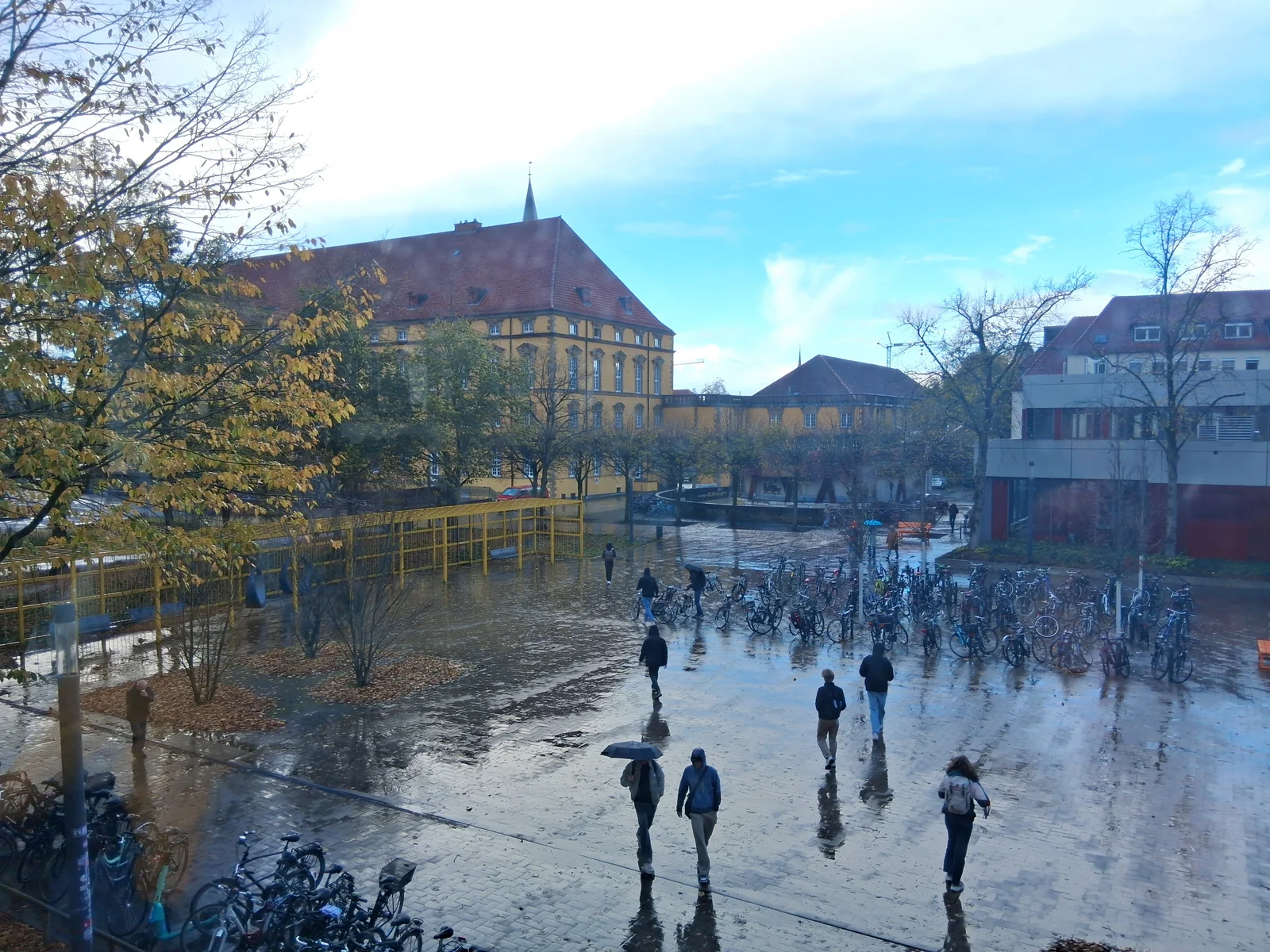
The Institute of Cognitive Science (IKW) is one of the largest and longest-established interdisciplinary cognitive science institutes in Europe, bringing artificial intelligence, machine learning, neuroscience, psychology, linguistics, philosophy and neuroinformatics together in a single institute.
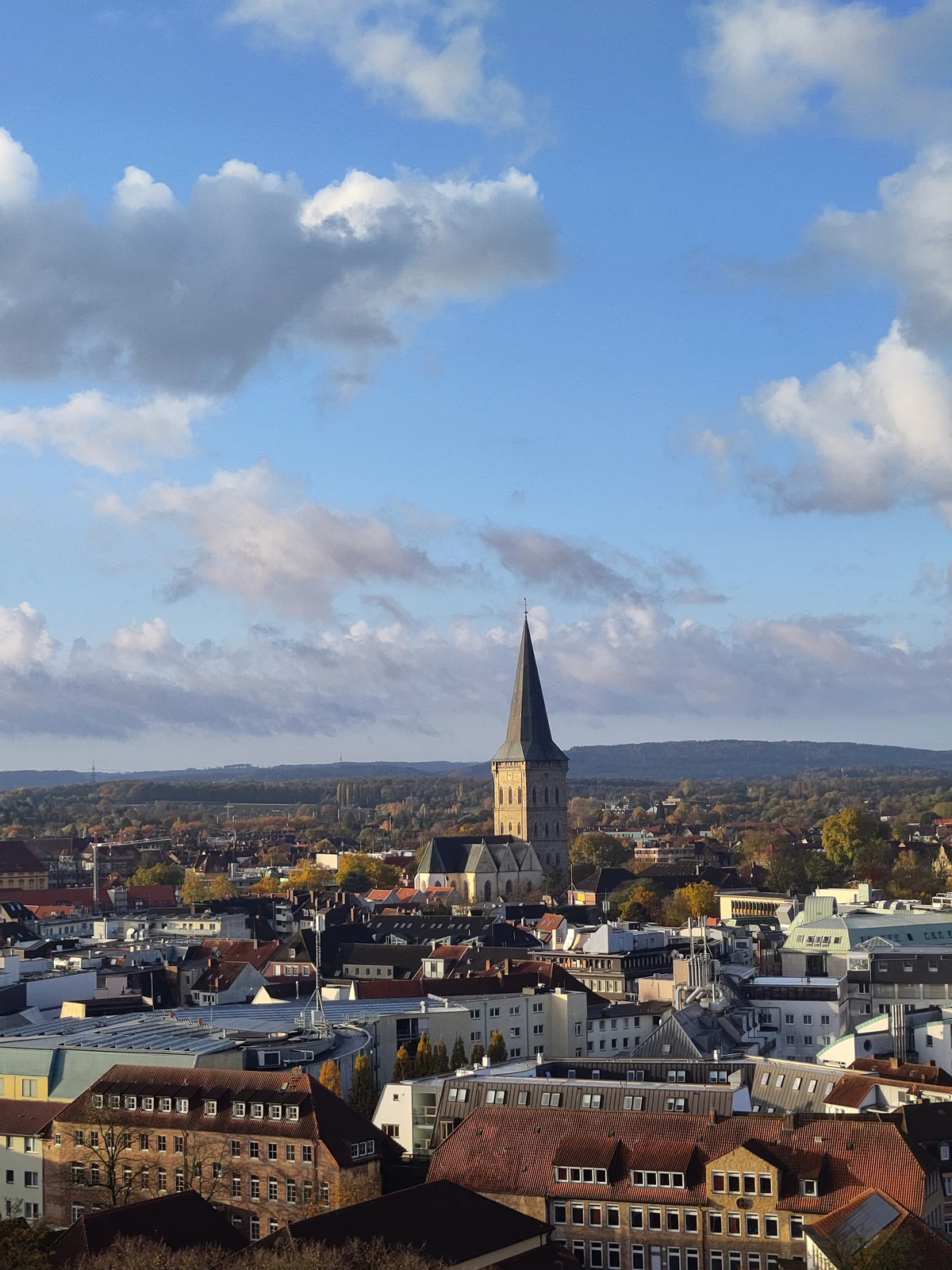
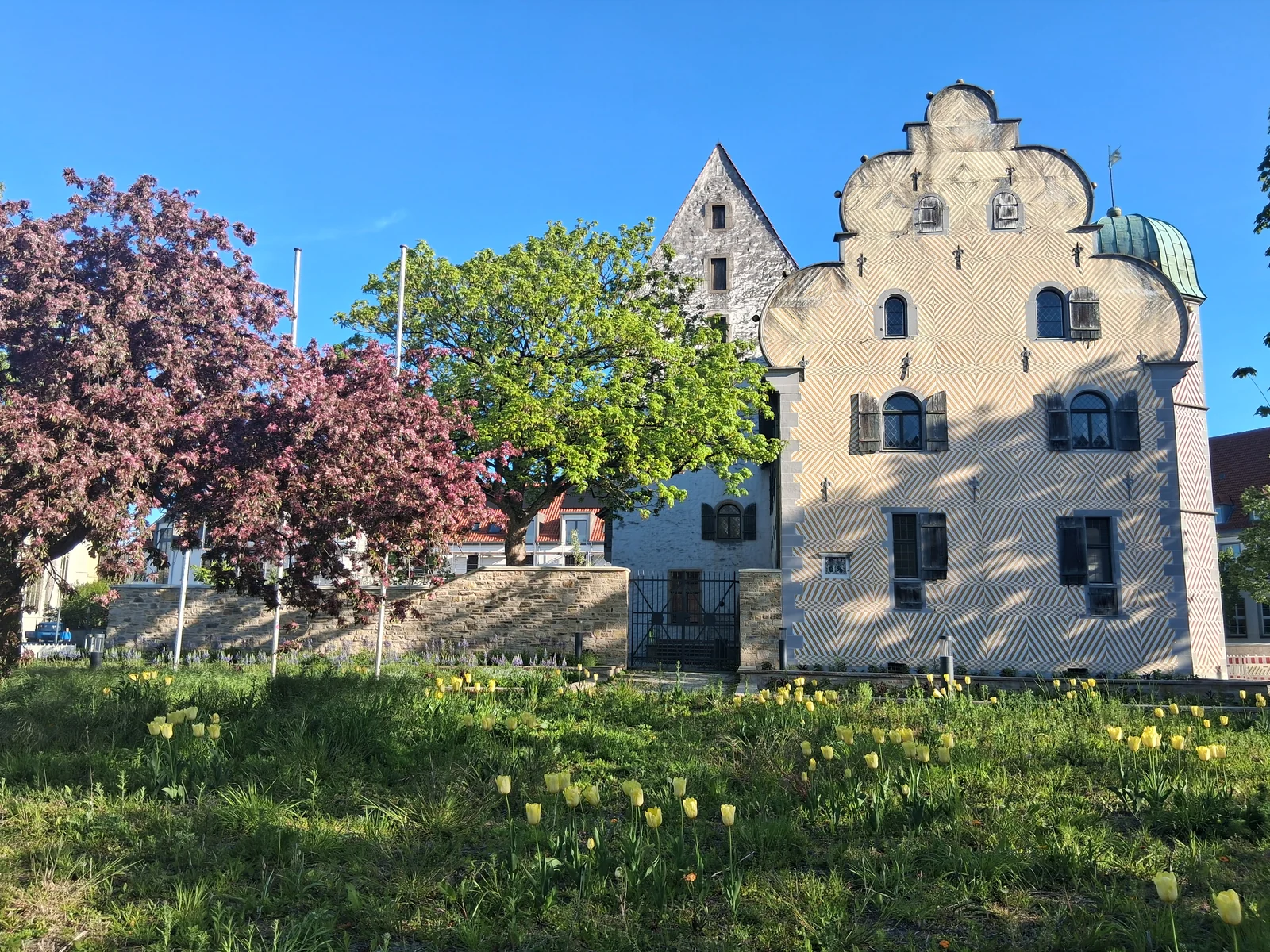
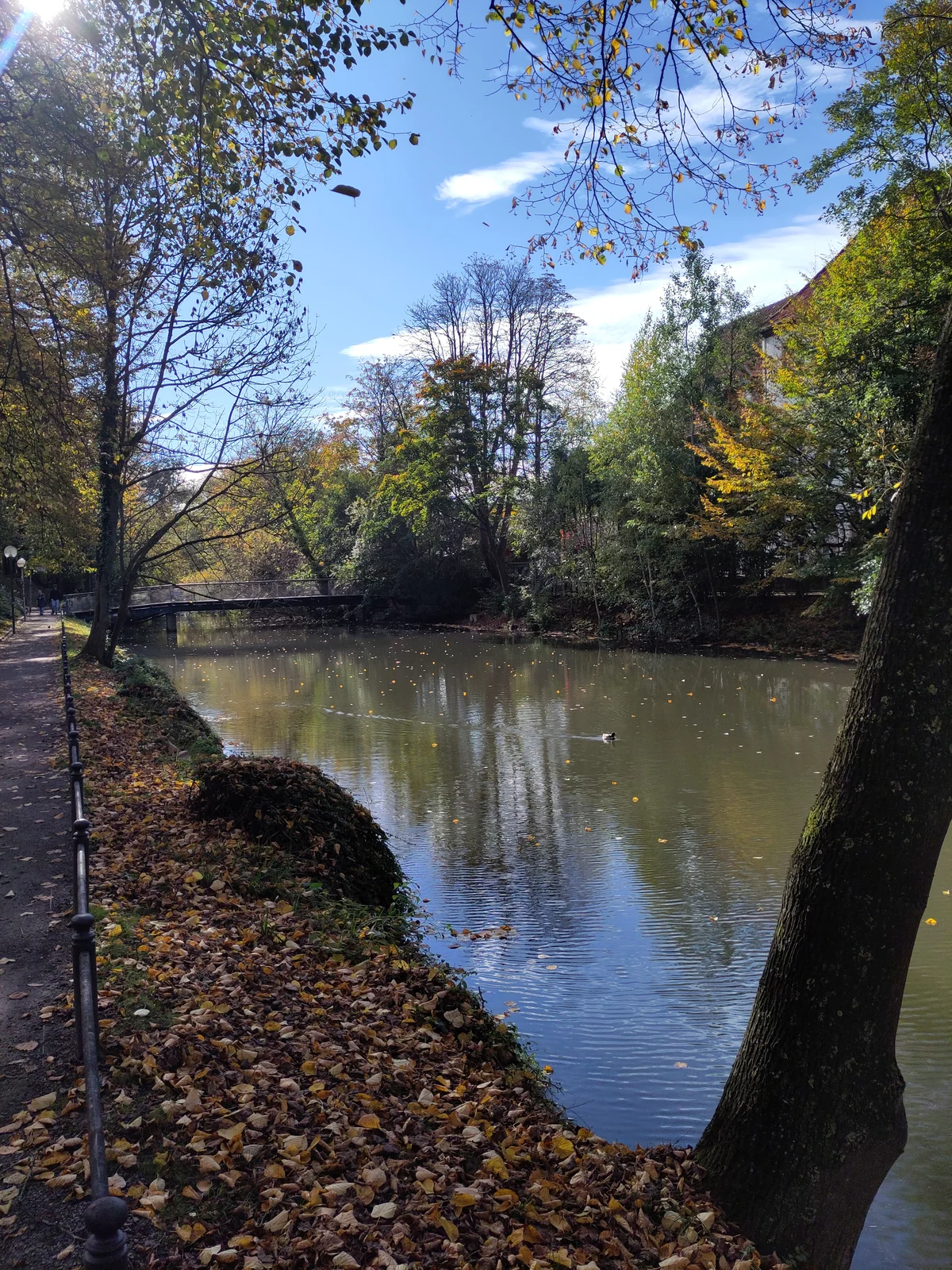
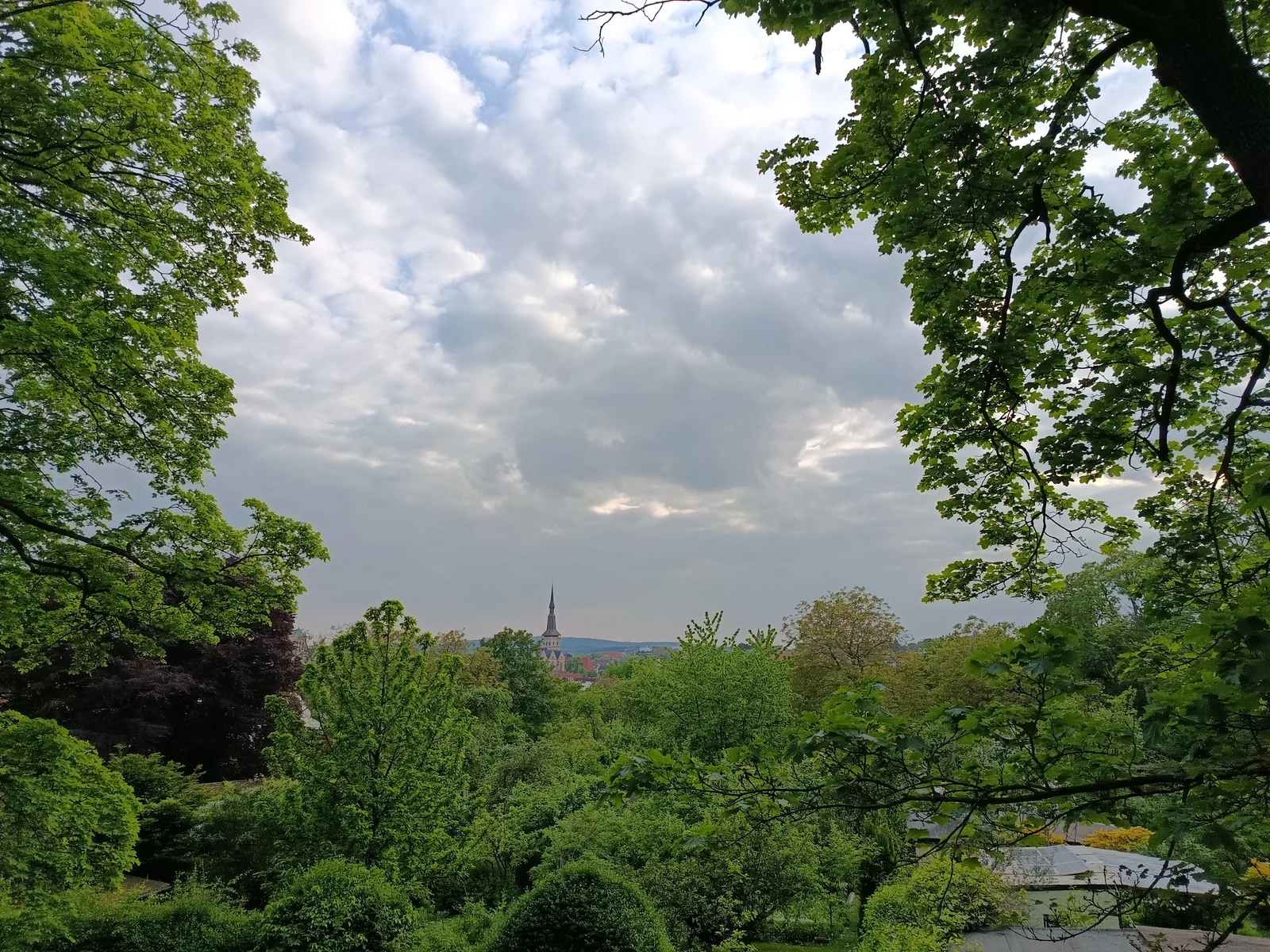
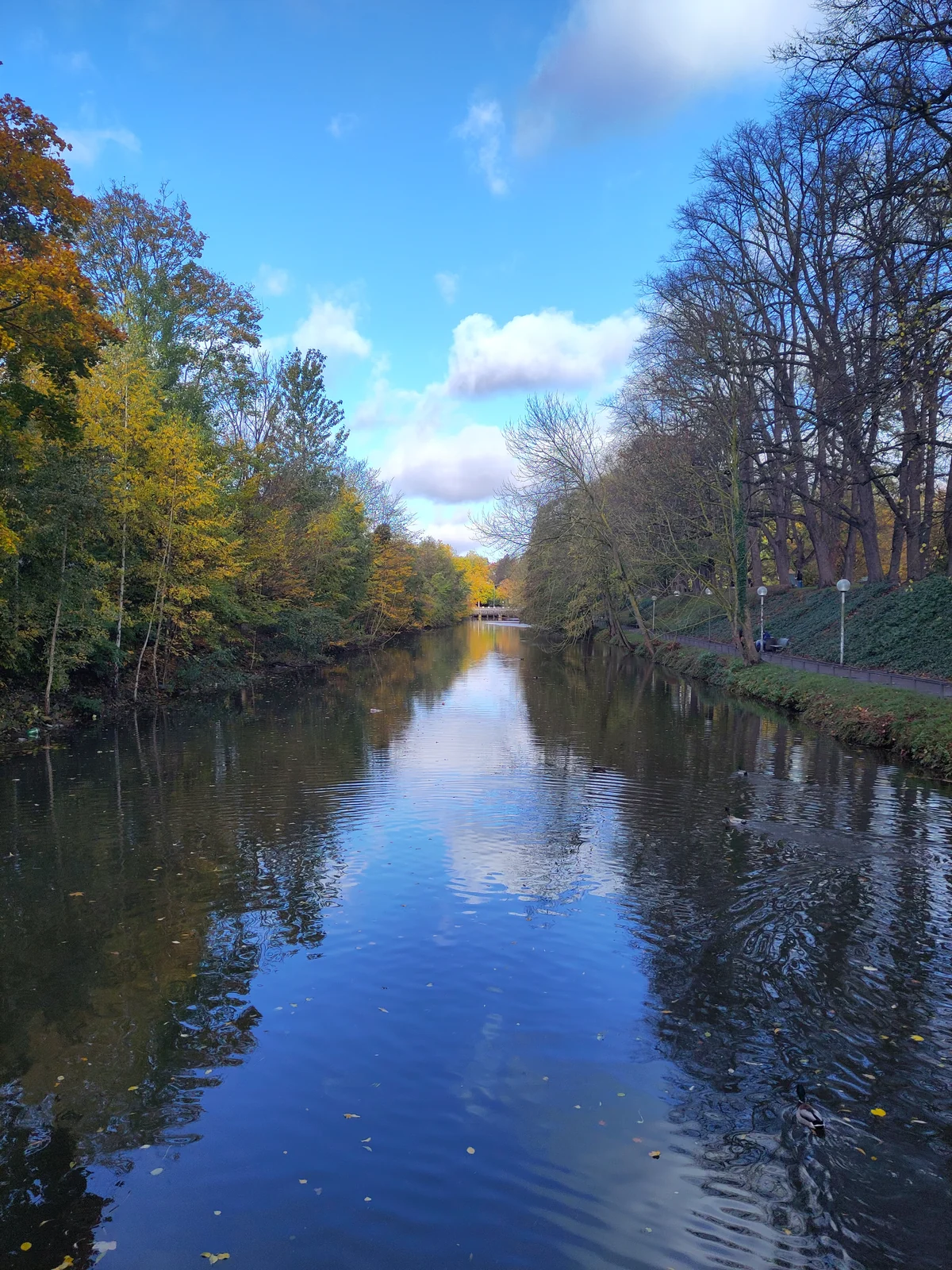
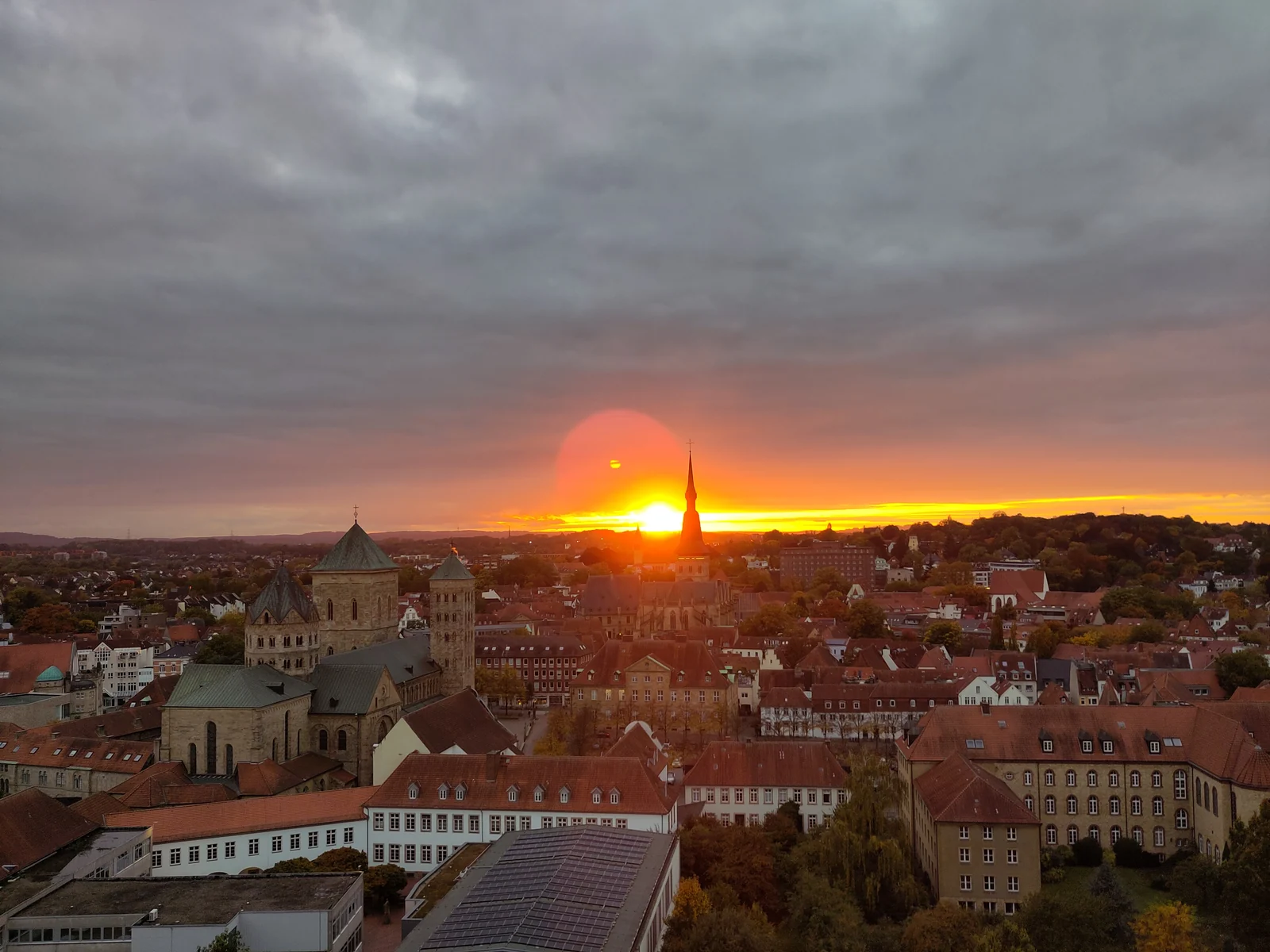
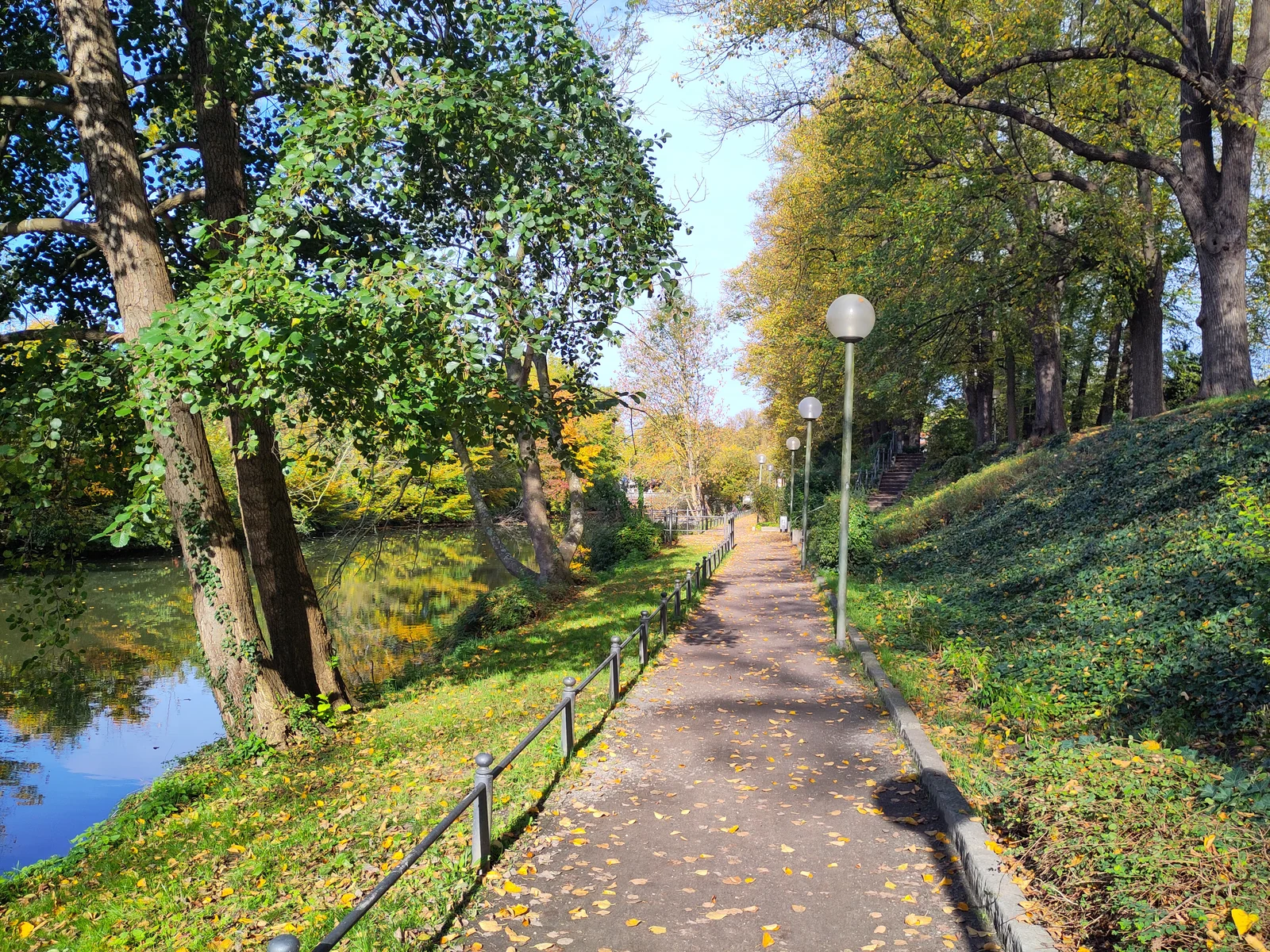
Osnabrück itself is a green, walkable and bike-friendly city of around 170,000 inhabitants in Lower Saxony, with a lively student population, low living costs by German standards, and good rail connections to Münster, Hanover, Hamburg, the Ruhr area and the Netherlands. Osnabrück calls itself the City of Peace: the Peace of Westphalia, negotiated here and in Münster in 1648, is regarded as a founding moment of modern international law and diplomacy, a tradition that the United Nations builds on today.




How to apply
Informal enquiries before applying are very welcome: please write to lilian.weber@uni-osnabrueck.de.
To apply, please follow the official job advertisement, which describes the application procedure and the deadline.
We suggest that your application contains:
- a cover letter (max. two pages) describing your background, research interests and motivation, including how they connect to the directions above;
- a CV, including publications where applicable;
- copies of relevant degrees and transcripts;
- names and contact details of two referees.
To support a fair and equitable selection process, please do not include a photograph in your application documents.
We look forward to receiving your application.
Ready to apply?
Find the formal requirements and application procedure in the official job advertisement.