





The neurocognitive mechanisms of flexible cognition
We are fascinated by the flexibility of human cognition: We adapt our perception, thinking and behaviour to changing circumstances seemingly effortlessly, pursue (and discard) self-set goals, and take our own uncertainty into account when deciding and acting. This level of flexibility has not (yet) been achieved in artificial intelligence. We investigate the cognitive mechanisms that make this possible, how they are implemented in the brain, how they contribute to mental health, and how they develop across the lifespan.
Our approach can be summarised as measure, model, perturb:
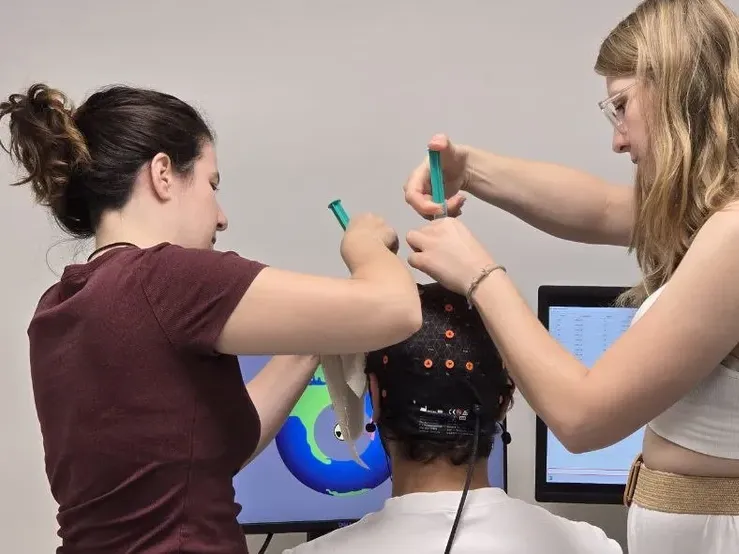
Measure
We develop engaging cognitive tasks for adults and children that let us measure the behavioural and neural (EEG) signatures of the cognitive process of interest reliably and efficiently.
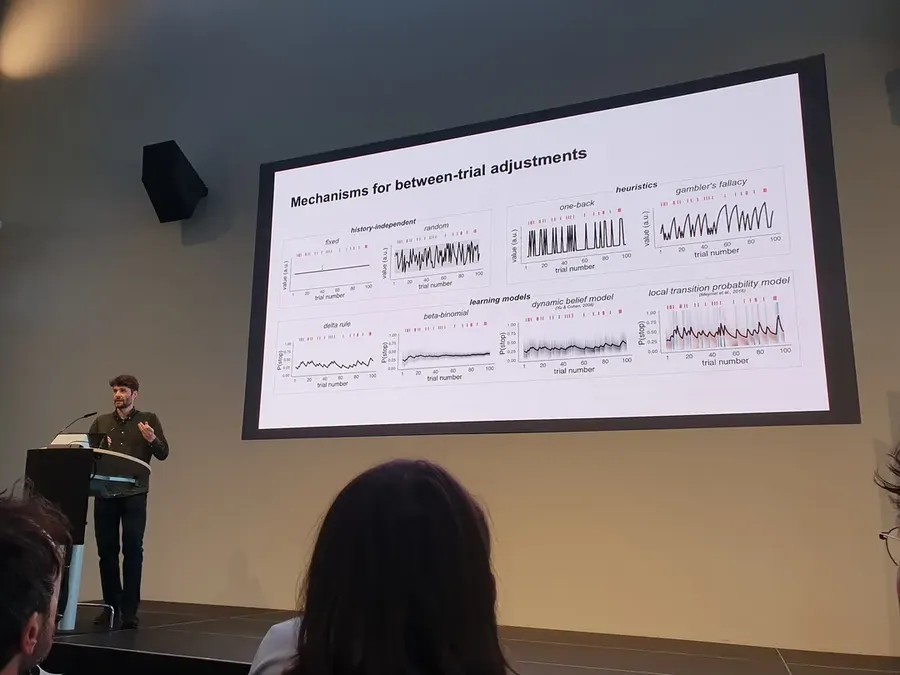
Model
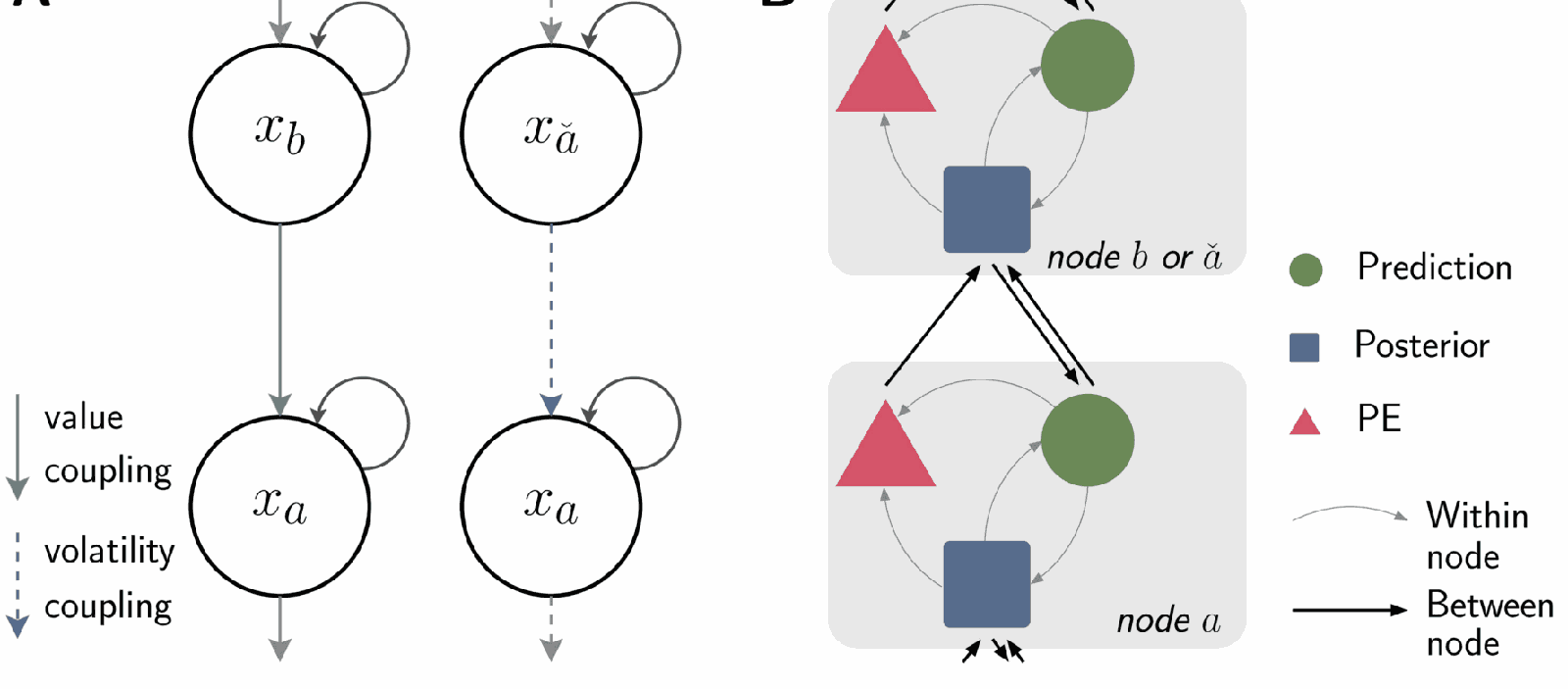
We develop generative models of behaviour and neural activity that reflect our mechanistic understanding of these processes, building on Bayesian and reinforcement learning frameworks as well as biophysical circuit models.
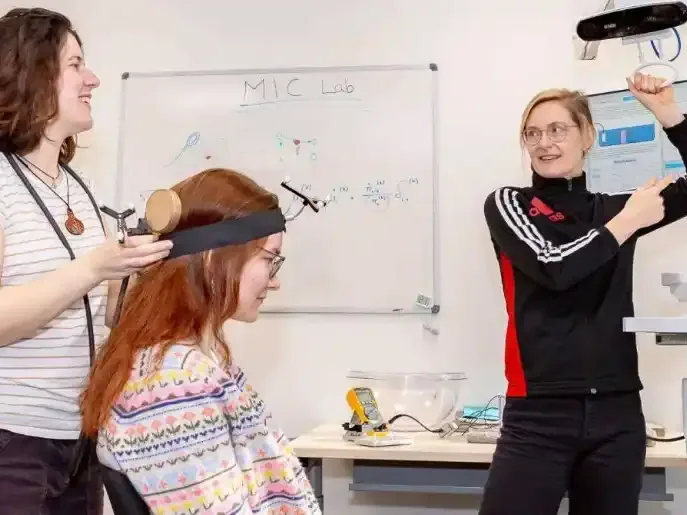
Perturb
While participants perform our tasks, we interfere with specific neural systems to test their causal role, using transcranial focused ultrasound (tFUS; targeting specific regions or nuclei) and pharmacology (targeting specific receptor types).
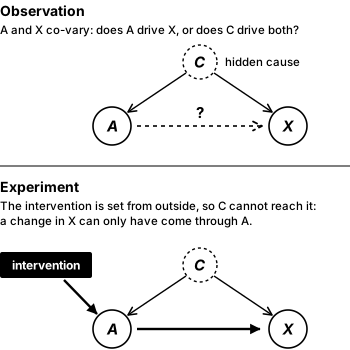
Our goal is to use this combination of formal theory with modern causal intervention techniques to move beyond correlational claims (“neural signal A behaves like model variable X”) to causal insight about cognitive mechanisms and their implementation (“brain process A is necessary for aspect X of this mechanism”).
Research directions
Flexible cognition in changing environments
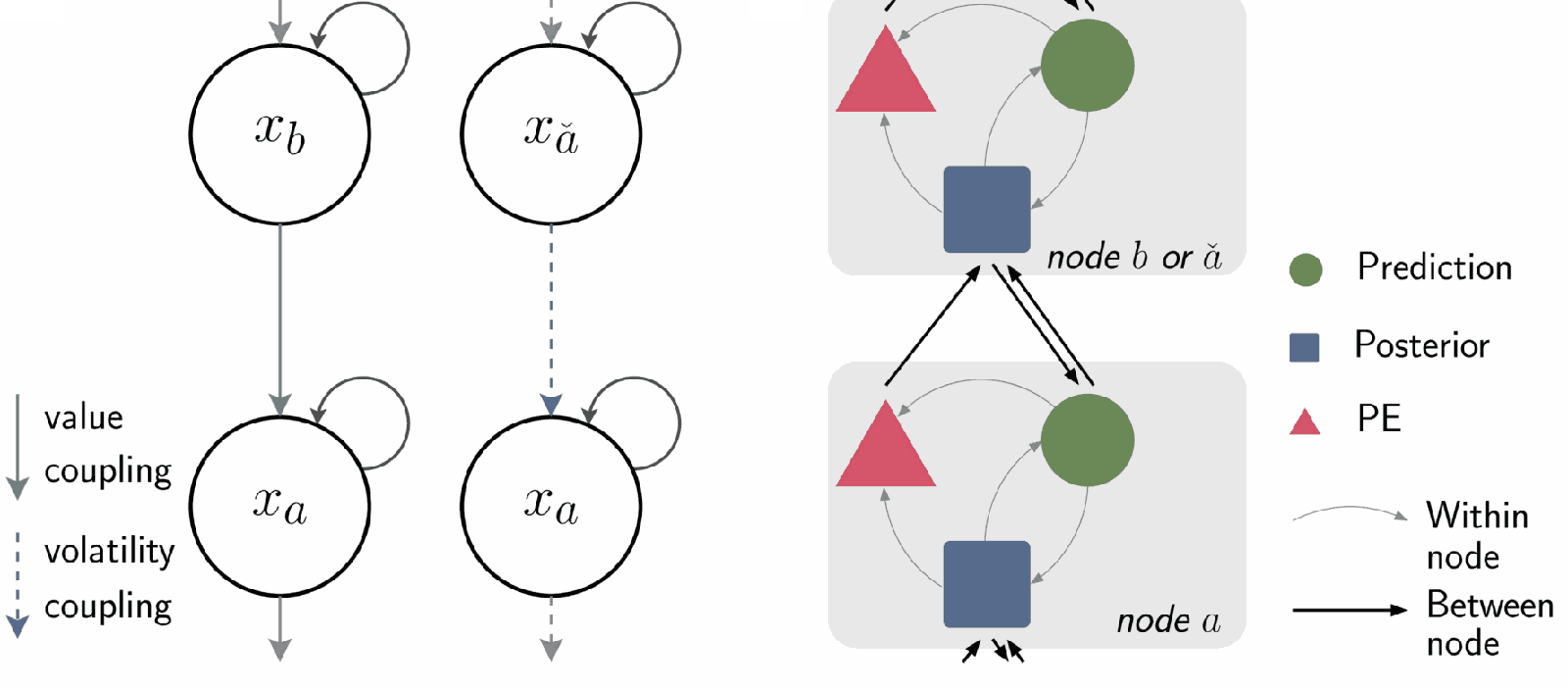
People are surprisingly good at making sensible decisions from very few observations, because they take both prior knowledge and their own uncertainty into account. We have developed a modelling approach that captures these strategies formally and an experimental setup for quantifying them within the individual using behavioural and electrophysiological measurements.
Current research questions
In current work, we build on this by asking questions such as:
- Which brain structures and processes underlie adaptive learning – the ability to adjust how strongly, and how far back, one integrates evidence when the world changes? Combining EEG with pharmacology and tFUS, can we establish their causal role?
- What is the cognitive architecture that enables humans and other animals to adapt their time scale of integration to the statistics of the environment and how is that different from (or similar to) solutions that emerge when artificial neural networks are exposed to changing environments?
- Why do people fail or refuse to update their beliefs? Rather than focussing only on the strength of an individual prior and conflicting evidence, can we extend our models and tasks to take into account the co-dependence between different beliefs and even whole belief systems?
Relevant publications 5
Foucault et al. (2026). Environmental dynamics shape human learning: change points versus random walks. eLife
Weber et al. (2026). The generalized Hierarchical Gaussian Filter. eLife
Ruesseler et al. (2023). Quantifying decision-making in dynamic, continuously evolving environments. eLife
Weber et al. (2022). Auditory mismatch responses are differentially sensitive to changes in muscarinic acetylcholine versus dopamine receptor function. eLife
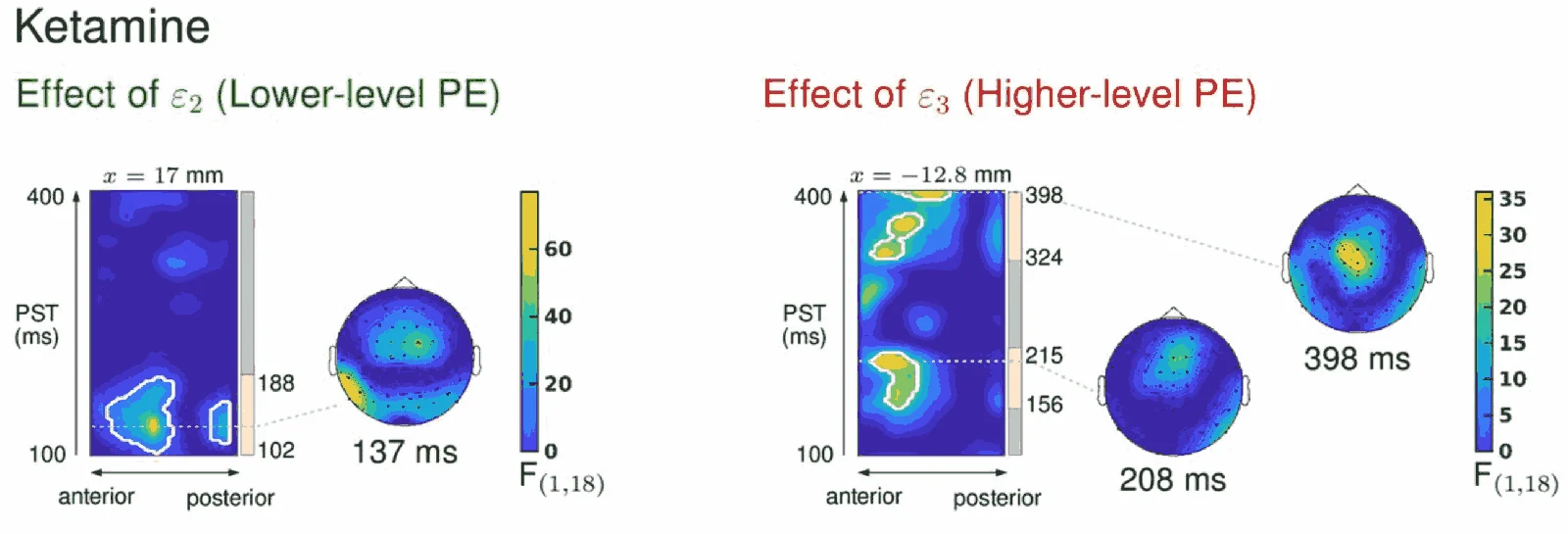
Weber et al. (2020). Ketamine Affects Prediction Errors about Statistical Regularities: A Computational Single-Trial Analysis of the Mismatch Negativity. Journal of Neuroscience
Flexible reward functions via internal states
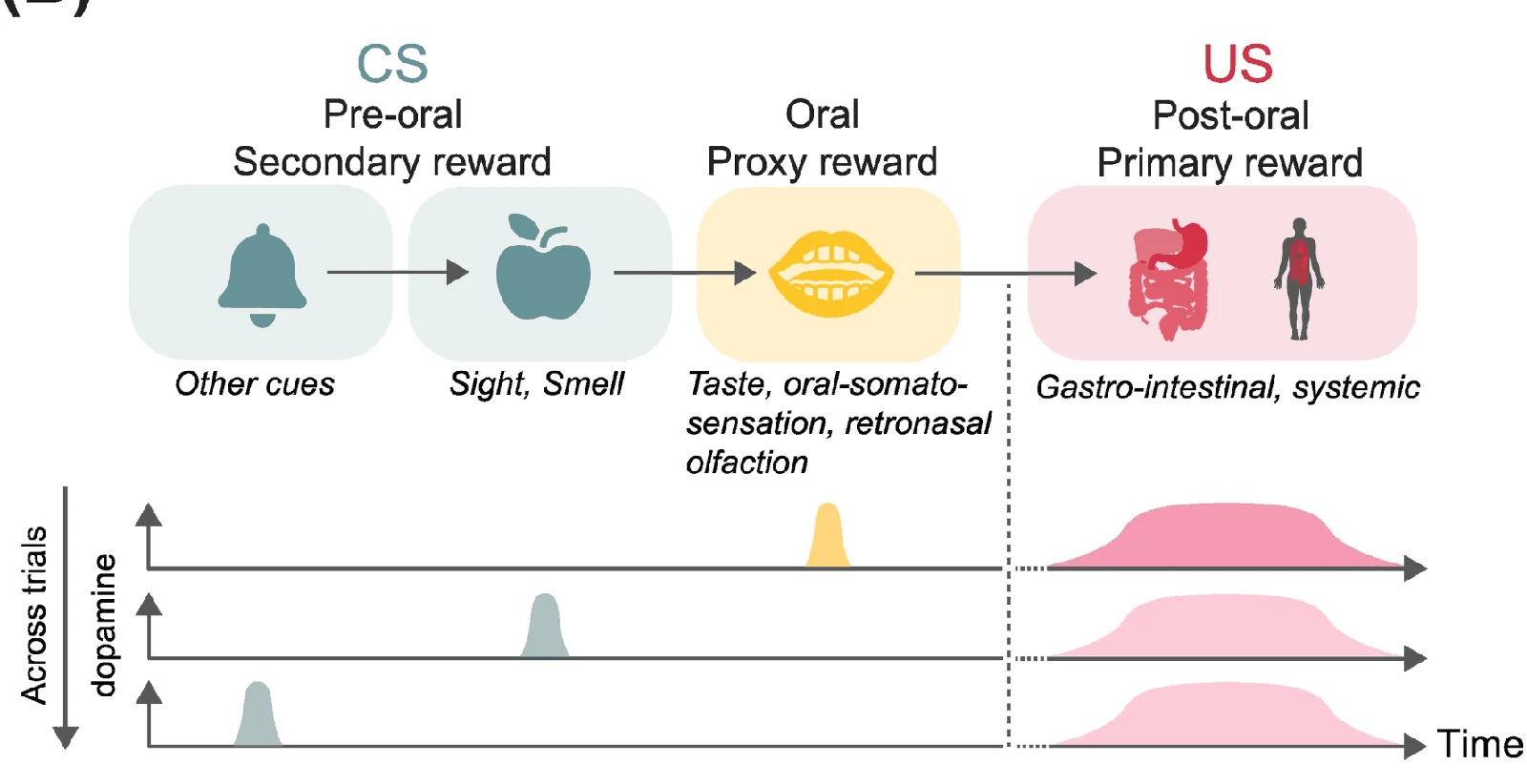
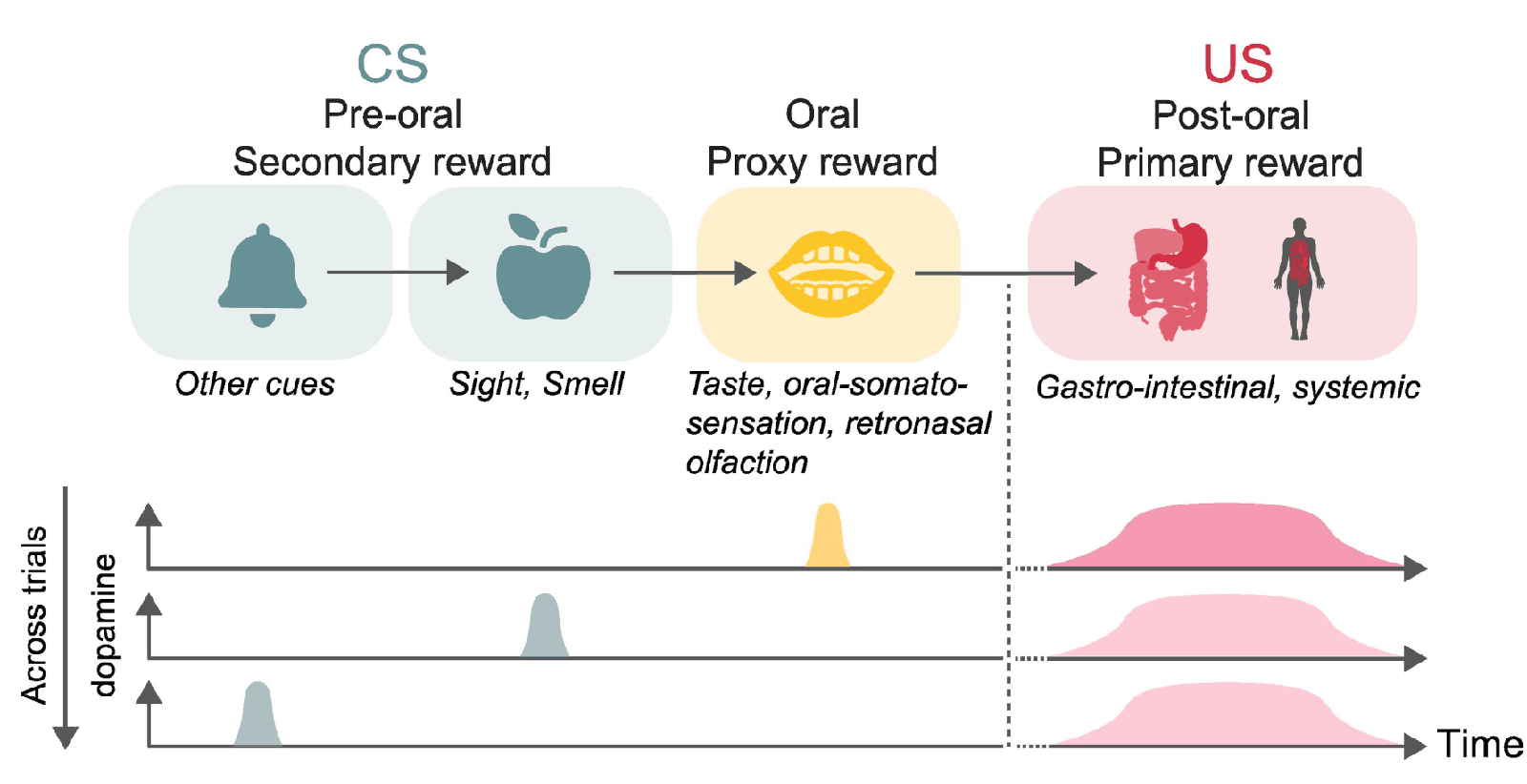
Whether we are willing to climb a tree to pick an apple depends on how hungry and how tired we feel. Although it is widely accepted that our subjective sense of bodily states determines how attractive different options are – both their reward value and their effort cost – current models of reinforcement learning do not capture this dependence. A core element of cognitive flexibility therefore remains unexplained: how we adapt our reward function to changing internal states and goals.
Current work
We are currently working on how models of reward learning can be extended accordingly and tested empirically. One challenge is to separate perceptual processes (interoception) from control process (regulation), because the bodily signals the brain receives are largely inaccessible to experimental manipulation. Our strategy is to combine generative modelling with targeted causal intervention at critical points of the loop – breaking the cycle – in order to isolate individual cognitive components.
Relevant publications 5
Bi et al. (2026). Environmental uncertainty shapes human effort learning. PLoS Biology
Algermissen et al. (2026). Low-intensity focused ultrasound to human amygdala reveals a causal role in ambiguous emotion processing and alters local and network-level activity. Neuron
Weber et al. (2025). The interoceptive origin of reinforcement learning. Trends in Cognitive Sciences
Petzschner et al. (2018). Focus of attention modulates the heartbeat evoked potential. NeuroImage
Petzschner et al. (2017). Computational Psychosomatics and Computational Psychiatry: Toward a Joint Framework for Differential Diagnosis. Biological Psychiatry
Collaborations
Most of our research projects benefit from collaboration with researchers elsewhere. Long-term collaborators include groups at Oxford University (Miriam Klein-Fluegge, Laurence Hunt, Rob McCutcheon), ETH Zurich (Klaas Stephan and the Translational Neuromodelling Unit), Aarhus (Chris Mathys) and at Brown University (Frederike Petzschner).
Our lab is part of the MIND initiative (Machine Intelligence and Neuroscientific Discovery) at the Institute of Cognitive Science (IKW) here in Osnabrück, which connects the Cognitive Modelling, Computational Neuroscience, Machine Learning, Natural Language Processing, Neurobiopsychology, Neurocomputation and Neuroinformatics groups with the aim of understanding intelligence in biological and artificial systems.
We also collaborate with other groups locally, such as Psycho- and Neurolinguistics (Prof. Gotzner) and the Department of Neuroradiology and Radiology at the Marienhospital (Prof. Stückle).
Selection of ongoing projects